
Improved fitness with infrared sauna bathing?

Saunas improve cardiovascular fitness. Medical research confirms that the effort required for the body to cool down is equivalent to the effort required by the heart and blood vessels during normal exercise. A suitable option for people with limited mobility who are unable to engage in physical activity but still wish to maintain good health kondition.Personer with high blood pressure is safe sauna bathing at a temperature between 40-50 C. High blood pressure: regular use can also help lower blood pressure (ref Infrared Therapy by Dr Yamajaki.) Low blood pressure: Infrared saunas can also train the body to raise blood pressure. In other words, sauna bathing is really healthy.
Quality of life improves when blood pressure drops
What is blood pressure?
The heart pumps blood around the body. It is pumped out of the heart into arteries and through these it reaches all the muscles and organs. Once it has passed through all the tissues, it returns to the heart through the veins. From there it is pumped into the lungs, releasing carbon dioxide and taking up new oxygen. The oxygenated blood is now pumped back into the heart, ready to be pumped back out into the body. Blood pressure depends on how much force the heart is working with. Blood pressure is high when blood is pumped into the arteries at higher than normal pressure.
How is blood pressure measured?
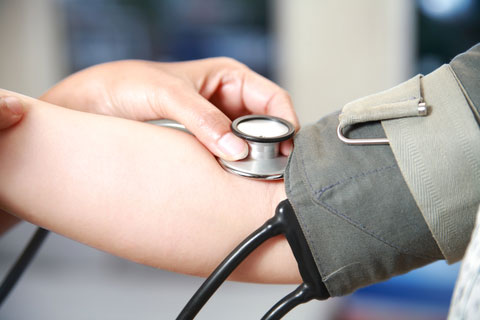
Blood pressure = the pressure in the arteries. The arteries carry blood from the heart to the body. Blood pressure is the name given to the pressure in these blood vessels.
Systolic pressure: With each heartbeat, the left ventricle squeezes out about a decilitre of blood into the arteries. The pressure then rises to a maximum value called the systolic blood pressure.
Diastolic pressure: Between beats, the heart muscle relaxes and its chambers refill with blood. This causes the pressure in the arteries to drop to a minimum value called the diastolic blood pressure .
Blood pressure is usually measured in millimetres of mercury (mm Hg) andis expressed as both systolic and diastolic, for example 130/80.
High blood pressure Hypertension.
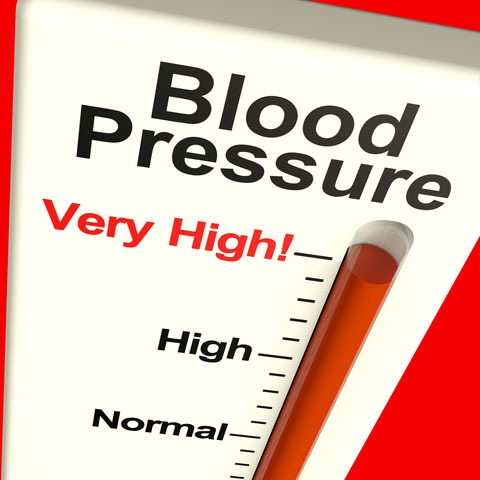
Around 1.8 million people in Sweden have high blood pressure. High blood pressure is a risk factor and should be treated. There are many ways to bring blood pressure down to a normal level. It is important to realise how important it is for your health to get your blood pressure down to a normal level. With the help of lifestyle changes in particular, and also medicines, it is almost always possible to bring blood pressure down to a normal level and reduce the risk of serious cardiovascular disease.
In late 2004, the Swedish Agency for Health Technology Assessment (SBU) reported that more than a quarter of the Swedish population aged 20 and over have high blood pressure, or hypertension. The condition is equally common in men and women. Sixty per cent of Swedes with high blood pressure have mild hypertension, thirty per cent moderate hypertension and ten per cent severe hypertension. The SBU report states that research shows that even mild and moderate increases in blood pressure can clearly increase the risk of cardiovascular disease
-
Mild blood pressure elevation: 140-159/90-99 mm Hg.
-
Moderate increase in blood pressure: 160-179/100-109 mm Hg.
-
Severe hypertension: 80/110 mm Hg or more.
What can be done?
If a person is a non-smoker, of normal weight and has a favourable risk factor profile, a mild increase in blood pressure may not need to be treated. If, on the other hand, a person has a higher risk of disease, it is important to address as many risk factors as possible. The first step is to see how far you can get with lifestyle changes and then follow up with blood pressure medication.
The most effective thing a smoker can do to avoid cardiovascular disease is usually to stop smoking. Reducing alcohol and salt intake also has a positive effect on blood pressure. Taking up regular exercise can be an excellent treatment. Moderate, regular physical activity - preferably so that you get sweaty and for at least half an hour three times a week, as well as using an infrared sauna for 30 to 40 minutes about 3 times a week. The effect can be a reduction in pressure of about five to ten mm Hg. In addition, other risk factors such as obesity, blood fats and blood sugar are also positively affected.
Losing weight if you are overweight can help lower blood pressure. Stress is also an important factor to consider in balancing blood pressure. Infrared saunas provide effective weight control and the opportunity to deeply relax your muscles, creating a relaxing feeling and a state of calm.
For many, a lifestyle change is enough as a treatment, but for others, medication is also required to deal with the pressure. It is important to remember that despite medication, maintaining healthy lifestyle habits is of utmost importance.
What is my risk profile?
Risk factors:
- Smoking
- High blood lipids
- Overweight
- Abdominal obesity
- Stressful life
- Heredity for cardiovascular diseases
- Overconsumption of alcohol
- Advanced age
- Male gender
High blood pressure should always be taken seriously. This means first and foremost evaluating the person's overall risk of cardiovascular disease. The more risk factors that accumulate in a person, the more the cardiovascular risk increases. Having only a mild increase in blood pressure and no other risk factors means a low risk of cardiovascular disease. With one or two other risk factors, the risk immediately increases. And with even more other risk factors, even someone with only a slight increase in blood pressure can have a high or very high risk of cardiovascular disease.
What cardiovascular diseases can you get?
High blood pressure makes it harder for your heart to pump and puts more strain on your blood vessels, heart and other organs in your body. In the longer term, high blood pressure contributes to atherosclerosis, or hardening of the arteries, by making the vessel walls harder and less elastic.
By damaging the heart and blood vessels, high blood pressure increases the risk of stroke, but also of angina, heart attack, heart failure and vascular problems in other parts of the body, such as poor circulation in the legs. High blood pressure can also cause kidney damage. It also increases the risk of developing dementia.
Normal pressure increases well-being
High blood pressure is usually not felt, but symptoms of high blood pressure can show up as:
- Headaches, tiredness or confusion
- Loss of sensation in hands and feet
- Nosebleeds, coughing up blood
- Severe breathing difficulties
An interesting finding of the SBU report is that there was clear evidence that blood pressure treatment improves quality of life. The report states that you probably don't feel very well when your blood pressure is too high. In studies with a placebo test, it has been shown that quality of life rises when blood pressure falls