
Infrared saunas are good for aches and joints.
In an infrared sauna, the body is heated directly by radiant heat, not by hot air. The heat penetrates up to three times as deeply into the body as in a traditional sauna. The heat reaches approximately 4.5 cm into tissues and joints and is very effective at softening tense and sore muscles, as well as relieving stiffness and pain, which has long been observed to be reduced through the use of heat. rk.Muskelkramper Underlying causes of the symptoms may include skeletal, joint or neurological problems. Infrared saunas have been shown to be effective for
. Stiff joints, chronic joint diseases, rheumatism, arthritis
. Whiplash
. Cold hands and feet
. Warming up before physical activity

Saunas relieve rheumatism
Rheumatoid arthritis is a common condition affecting around 70,000 Swedes annually. This is an inflammatory condition that mostly affects middle-aged people, but children and young people can suffer from a specific form of rheumatoid arthritis known as juvenile chronic arthritis. More women than men develop the condition, but there are also many other diseases that affect the joints, and joint pain can be a condition in itself or a consequence of other conditions. Symptoms can sometimes develop gradually, with pain, stiffness and swelling in the hands and feet. Around 50% of those affected can pinpoint exactly when they first noticed the symptoms. To diagnose rheumatoid arthritis, at least 4 out of 7 of the following symptoms must be present:
Swelling in 3 or more joint areas.
Morning stiffness lasting at least 60 minutes.
Swelling of the knuckle closest to the
finger joint. Symmetrical swelling, i.e. not just in one hand at a time.
Rheumatoid nodules.
Rheumatoid factor (RF) is detected.
Rheumatism, or rheumatic diseases, primarily affects the musculoskeletal system, i.e. joints, muscles and the skeleton. But that is not the whole story. Rheumatism can affect everything from the tiniest blood vessels in the eyes to the body’s largest joints and vital organs. These conditions can be life-threatening or as mild as a common cold. In other words, it is not easy to explain, under a single umbrella term, exactly what rheumatism is and how it works. Today, it is widely known that an infrared sauna alleviates these conditions.
Most rheumatic diseases are inflammatory. This means that inflammation has developed, either spontaneously or as a result of, for example, an injury or infection, which causes problems. There are also rheumatic conditions where no inflammation can be found, and the symptoms may be due to other mechanisms.
Rheumatic diseases are divided into a number of groups based on symptoms or disease mechanism. The diseases that are most similar to one another are placed in the same group.
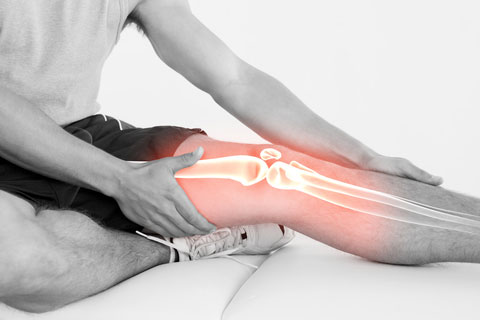
Inflammation
Most rheumatic diseases are inflammatory. So what does inflammation mean?A fairly descriptive term for inflammation is a hot, red swelling that characterises an inflamed area. Inflammation itself is painful and troublesome, but it is actually a protective mechanism of your own body.
Inflammation is the body’s reaction to try to repair damage. The damage may be caused by an infection, extreme heat or cold, chemical substances, or ordinary wounds.
When tissue is damaged, it begins to signal to the rest of the body and the brain what has happened. The substances that produce these signals are called cytokines. The signals summon the body’s immune defence cells, which are the white blood cells. A large proportion of the white blood cells are tasked with consuming foreign substances and damaged tissue, whilst others are tasked with informing other white blood cells to come to the site of the attack. The third type forms so-called antibodies (immunoglobulins). These are a type of protein with a surface to which all possible intruders can attach themselves, before being attacked by the rest of the immune system.
The signs of inflammation are pain, redness, increased heat, swelling and impaired function. The redness and heat are due to more blood flowing to the site of the injury. Swelling is a result of fluid accumulating in the area. Pain arises from nerve fibres, known as pain receptors, when the tissue is damaged. Signs of inflammation can vary in severity, and not all of them need to be present for inflammation to be occurring.
Autoimmune diseases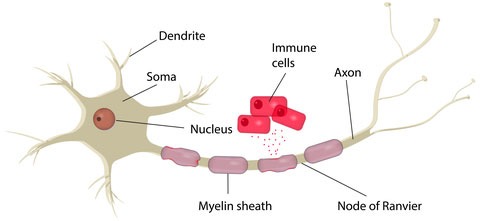
To understand why the body sometimes triggers inflammation even though there is no injury to repair, it is important to understand what inflammation actually is.
Many rheumatic diseases are referred to as autoimmune conditions, a term derived from the Greek word ‘autos’, meaning ‘self’; in other words, the white blood cells (the immune system) have mistakenly identified the body’s own cells and tissues as hostile and therefore target them for destruction. This occurs through direct attacks on the body’s own cells or through the formation of antibodies directed against the cells. When antibodies are formed against the body’s own cells, these antibodies are called autoantibodies. One possible explanation for what triggers the immune system to start attacking its own body may be that the body’s cells have substances on their surface that resemble substances found on the surface of, for example, bacteria or viruses. The body then makes a mistake and attacks its own cells as well. As many as 1 million Swedes have some form of rheumatic disease, of whom 1,200–1,500 are children or young people suffering from chronic joint inflammation. Most rheumatic diseases begin early, as early as in one’s 20s or 30s. The most common form of rheumatism is rheumatoid arthritis, which affects just under 100,000 Swedes – approximately 1% of the population.
There are many factors underlying the disease, but the root cause of this ancient condition remains unknown. And because we do not know what causes this disruption to the immune system, there is no direct cure. An infrared sauna can help alleviate the symptoms of the disease and is highly regarded precisely for its ability to provide deep-penetrating heat.